

The Fastest Way to Get Proper Mesh Coverage in Your Concrete Slab
A 2 inch steel mesh chair is a small metal support used to hold wire mesh at the correct height inside a concrete slab before and during the pour. Here’s a quick summary:
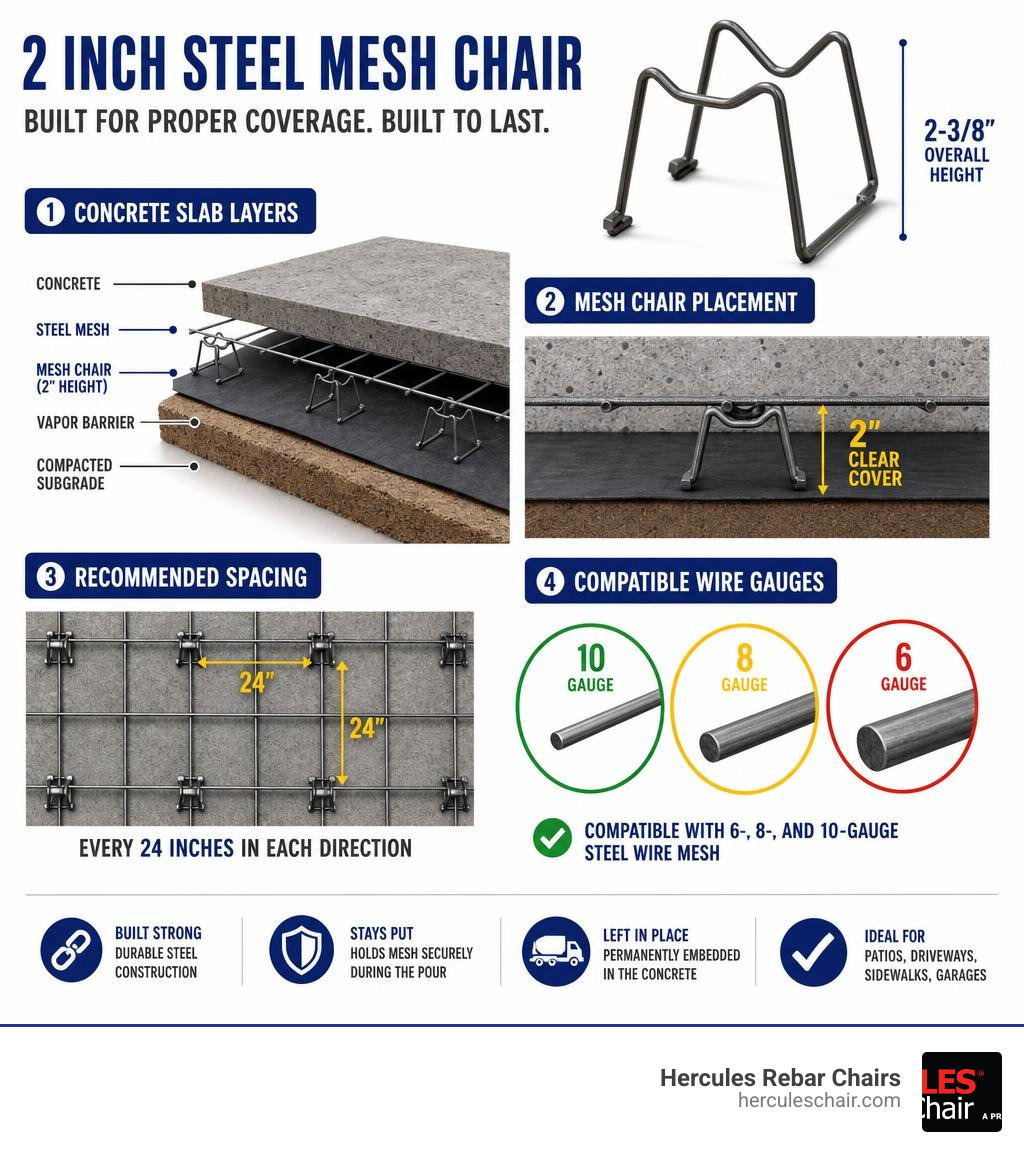
- What it does: Holds wire mesh 2 inches off the ground so concrete flows beneath it and covers it properly
- Compatible wire gauges: 6-, 8-, and 10-gauge steel wire
- Overall height: 2-3/8 inches
- Recommended spacing: Every 24 inches in each direction
- Common uses: Patios, driveways, sidewalks, garages
- Left in the concrete? Yes — permanently embedded
- Available in: 50-pack ($34.98) or 100-pack ($59.88)
Getting the mesh at the right height is one of the most critical steps in any concrete slab. Too low and the mesh ends up at the bottom with no coverage. Too high and it doesn’t reinforce where it needs to. Without a reliable chair, you’re guessing — and that guess can lead to cracking, rust staining, and failed inspections.
In this guide, we break down everything you need to know: how these chairs work, how many you need, and which options give you the best results on the job.
I’m Jordan Harris — a licensed Professional Engineer and structural engineer with five years of hands-on experience designing large-scale concrete projects. As part of the team at Hercules Rebar Chairs, I’ve worked directly on the development of our 2 inch steel mesh chair line, so I know what separates a reliable support from one that fails under pressure. Let’s get into it.
What is a 2 Inch Steel Mesh Chair and How is it Used?
In concrete construction, wire mesh acts as the inner skeleton of your slab, absorbing tensile forces and preventing cracks from spreading. However, metal mesh is notoriously flexible. If you simply lay it on the ground and pour concrete over it, the heavy wet mix will push the mesh flat against the dirt or subgrade. This leaves your reinforcement sitting at the very bottom of the slab, rendering it completely useless.
This is where the 2 inch steel mesh chair comes in. These specialized metal wire supports are designed to elevate and hold the steel mesh exactly where it needs to be—typically in the middle third of the slab. During the pouring process, these chairs remain firmly in place. Because they are made of high-strength steel wire, they allow concrete to flow freely underneath and around the mesh, ensuring a monolithic, solid pour without creating air pockets or weak spots.
Using them is simple: as you prepare your subgrade and lay out your wire mesh, you pull the mesh up off the ground and snap the chair’s clips onto the wire crossing from the bottom. For a comprehensive look at how these supports elevate your concrete projects, check out our guide on how to Elevate Your Slab with Concrete Mesh Chairs.
Key Applications for a 2 Inch Steel Mesh Chair
Whether you are a seasoned contractor or a dedicated DIYer working on weekend home improvements in June 2026, you will find that these chairs are highly versatile. The most common applications include:
- Patios: Residential patios endure constant foot traffic and heavy outdoor furniture. Elevating the mesh ensures the slab won’t sag or crack over time.
- Driveways: Driveways must support thousands of pounds of vehicular weight. Proper reinforcement placement prevents the concrete from buckling under heavy wheel loads.
- Sidewalks and Walkways: These long, thin slabs are highly susceptible to shifting soil and tree root pressure. Well-supported mesh keeps the panels aligned.
- Garages and Shed Bays: Heavy toolboxes, vehicles, and equipment require a flawless, robust slab.
For small to mid-sized residential projects, picking up a Hercules 2″ Steel Mesh Chair – (50 Count) Superior Strength … is the perfect starting point to secure your reinforcement layout.
Benefits of Steel Mesh Chairs vs. Traditional and Makeshift Supports
Historically, builders have used whatever was lying around the job site to prop up wire mesh—broken bricks, chunks of gravel, wood blocks, or even plastic scraps. While these makeshift solutions might seem cost-effective upfront, they introduce severe structural liabilities.
Wood blocks will eventually rot inside the concrete, leaving voids and pathways for water. Bricks and rocks can prevent the concrete from bonding properly, creating structural weak points. Unsupported mesh, or mesh that workers attempt to “hook and pull up” during the pour (a notoriously unreliable method), almost always ends up resting on the dirt.
| Support Type | Concrete Flow | Structural Integrity | Rust Prevention | Installation Speed |
|---|---|---|---|---|
| 2 Inch Steel Mesh Chair | Excellent (free-flowing design) | High (perfectly centered reinforcement) | Excellent (proper concrete coverage) | Very Fast (easy snap-on design) |
| Makeshift Supports (Bricks/Rocks) | Poor (blocks flow) | Low (creates weak shear planes) | Poor (absorbs moisture) | Slow (unstable, easily knocked over) |
| Unsupported / “Hook & Pull” | Disastrous (mesh sinks) | Extremely Low (reinforcement on grade) | Very Poor (mesh exposed to ground moisture) | Unpredictable & tedious |
Unlike makeshift blocks, a professional 2 inch steel mesh chair is engineered with a minimal footprint. Its slender wire legs allow the wet concrete mix to flow completely around the support, leaving no voids. Additionally, when compared to plastic alternatives, steel chairs offer unmatched load-bearing strength. They won’t crush, bend, or slide when workers step on the mesh during the pour. To understand the engineering differences between steel and plastic options, take a look at Spacer Secrets: Unpacking the Role of Plastic Rebar Chairs.
Steel Mesh Chairs vs. Traditional Rebar Support Chairs
It is important to distinguish between mesh chairs and traditional rebar chairs. Rebar chairs are designed with wider, heavier cradles to hold thick steel bars (such as #3, #4, or #5 rebar). Because rebar is rigid and heavy, those chairs must feature a broad base and heavy-duty plastic-dipped or wide metal legs to prevent sinking into the subgrade.
Conversely, a 2 inch steel mesh chair is optimized specifically for lightweight wire mesh. It features integrated spring-clip tops that snap directly onto the thin wire intersections. While a rebar chair requires manual wire tying to keep the steel secure, a mesh chair locks the wire in place instantly with a simple push. Learn more about choosing the right support for your specific steel layout in The Ultimate Guide to Rebar Chairs: Types, Uses, and Sizing for Concrete Slabs.
Technical Specifications, Spacing, and Quantity Estimation
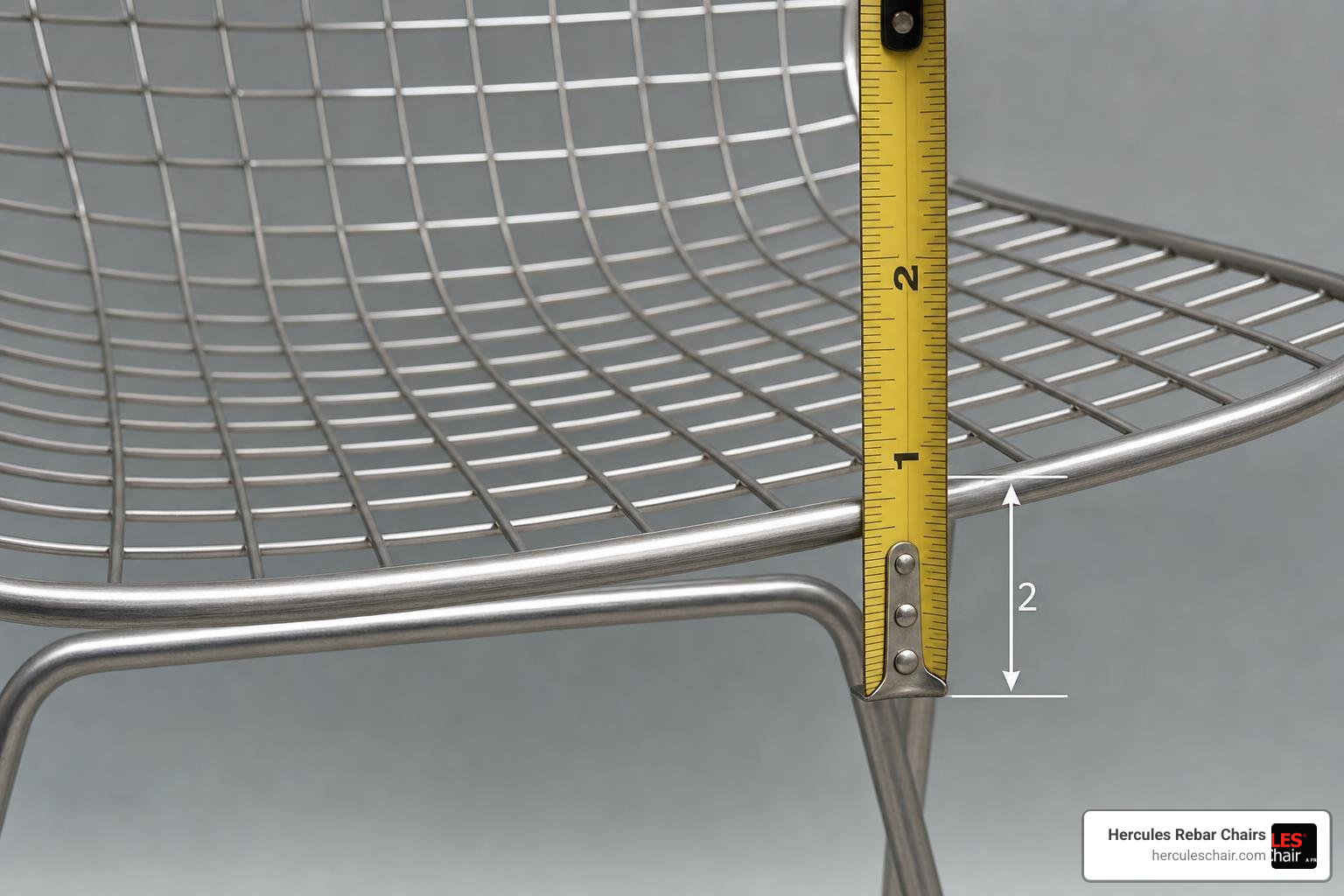
Understanding the physical specifications of your materials is key to meeting strict building codes. A standard 2 inch steel mesh chair features an overall height of 2-3/8 inches. This design provides a clean 2-inch clearance from the bottom of the slab to the underside of the wire mesh, which aligns perfectly with modern 2026 building standards for residential and light commercial concrete slabs.
These chairs are manufactured using heavy-duty, 6-gauge steel wire frames, making them incredibly rigid. They are built to easily accommodate 6-gauge, 8-gauge, and 10-gauge welded wire mesh. For a deep dive into the technical details and material compositions of these supports, read The Ultimate Guide to Mesh Chairs.
Spacing and Placement Best Practices
To get the most out of your reinforcement, you must follow a disciplined layout grid.
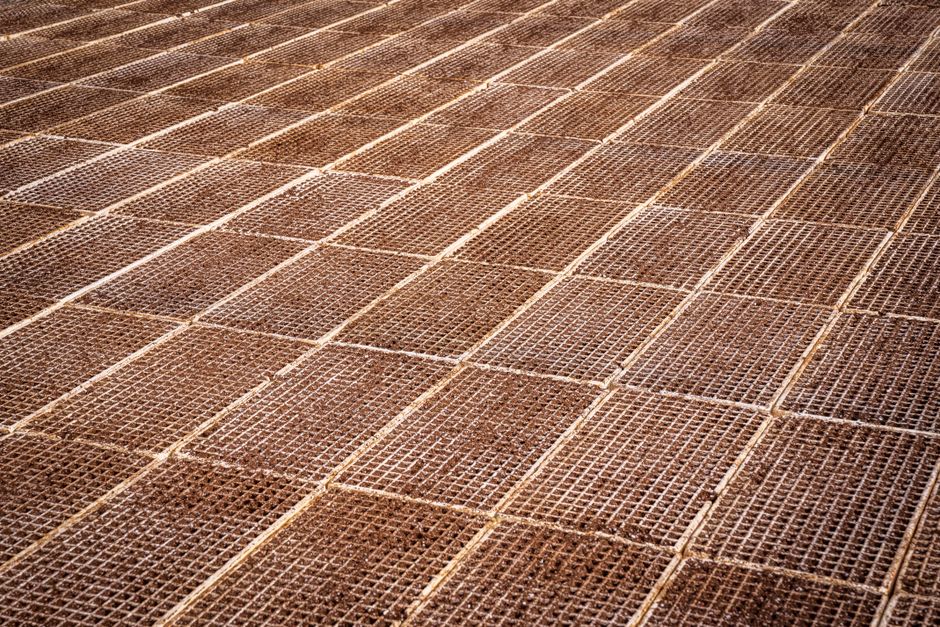
We recommend placing a 2 inch steel mesh chair every 24 inches (2 feet) in each direction. This tight spacing grid is crucial for one main reason: job site foot traffic.
When pouring concrete, workers must walk across the mesh to guide the chute or pump hose. If your chairs are spaced too far apart, the mesh will sag under the weight of the workers, bending permanently or slipping out of its supports. Spacing the chairs every 24 inches ensures that the mesh acts like a firm trampoline—it may flex slightly when stepped on, but it will immediately spring back to its correct 2-inch elevated position once the worker moves. To master the art of grid layouts and secure positioning, explore Everything You Need to Know About Concrete Reo Chairs.
Estimating Your 2 Inch Steel Mesh Chair Needs
Planning your purchase is straightforward. Since you need a chair every 2 feet in a grid pattern, you can estimate your requirements using this simple rule of thumb: you will need approximately 1 chair for every 4 square feet of slab area.
- For a 10′ x 10′ Patio (100 sq. ft.): You will need roughly 25 to 30 chairs. A single 50-pack will leave you with plenty of spares.
- For a 12′ x 24′ Driveway (288 sq. ft.): You will need about 72 to 75 chairs.
- For a 20′ x 20′ Garage (400 sq. ft.): You will need approximately 100 chairs.
To make purchasing easy, you can find the Hercules 2 in. Steel Mesh Chair (100-Pack) 944 – The Home Depot online or at your local commercial retailer, providing a highly economical solution for larger residential projects.
Frequently Asked Questions About Concrete Mesh Supports
Do you leave 2 inch steel mesh chairs in the concrete after pouring?
Yes, absolutely. These chairs are designed for permanent embedment. Once the concrete is poured, the chairs become a structural part of the finished slab. Because they are made of steel, they bond seamlessly with the concrete matrix and do not compromise the strength or integrity of the structure.
What wire gauges are compatible with these chairs?
These chairs are engineered with universal retaining clips that securely hold 6-gauge, 8-gauge, and 10-gauge welded wire mesh. They work by snapping directly onto the wire crossings, ensuring the mesh cannot slip sideways or pop loose during the heavy action of a concrete pour.
How do steel mesh chairs prevent rust stains?
One of the biggest headaches with poorly supported mesh is “rust bleeding.” If the steel mesh sinks to the bottom of the slab or touches the ground, it absorbs moisture from the soil. Over time, this moisture travels up the steel, causing it to rust. The expanding rust cracks the concrete and bleeds unsightly red-brown stains onto your beautiful patio or driveway. By elevating the mesh a full 2 inches off the ground, the steel is completely sealed within the protective, alkaline environment of the concrete, preventing moisture contact and eliminating rust stains.
Conclusion
At the end of the day, a concrete slab is only as good as its reinforcement placement. Investing in a high-quality 2 inch steel mesh chair layout ensures your wire mesh stays exactly where the engineers intended, protecting your investment from cracking, sagging, and unsightly rust damage for decades to come.
When it comes to securing your concrete projects, don’t settle for subpar makeshift methods or flimsy alternatives. Hercules Rebar Chairs (by T.J. Harris Co.) is proud to be America’s #1 concrete support manufacturer, with over 14 million units sold across the United States. Easily identifiable by our signature red color, our chairs are engineered to save you time and money on the job site while ensuring complete code compliance.
Ready to start your next project? Learn how to source the best materials locally with Don’t Get Caught in the Net: A Guide to Local Mesh Chair Shopping, or go ahead and secure your supply directly by checking out the 2-inch Steel Mesh Chair Product 944 detail page today!