

Why the Right Size Rebar Chair is Crucial for Concrete Integrity
Concrete bar chair sizes determine whether your rebar sits at the correct height within the concrete, which directly impacts the structural integrity and longevity of your pour. Getting the size wrong means inadequate concrete cover, leading to corrosion, spalling, and premature structural failure.
Quick Reference: Common Concrete Bar Chair Sizes
| Type | Size Range | Common Applications |
|---|---|---|
| Standard Bar Chairs (Metric) | 20mm – 170mm | Slabs, light walls, general use |
| Standard Bar Chairs (Imperial) | 3/4″ – 2″ | Light slabs, mesh support |
| High Chairs (Imperial) | 2″ – 15″ | Thick slabs, double rebar mats, heavy loads |
| Tall Chairs (Metric) | 105mm – 340mm | Heavy-duty slabs, foundations, bridge decks |
| Combination Chairs | Dual heights (e.g., 25/40mm, 50/65mm) | Versatile applications, cost savings |
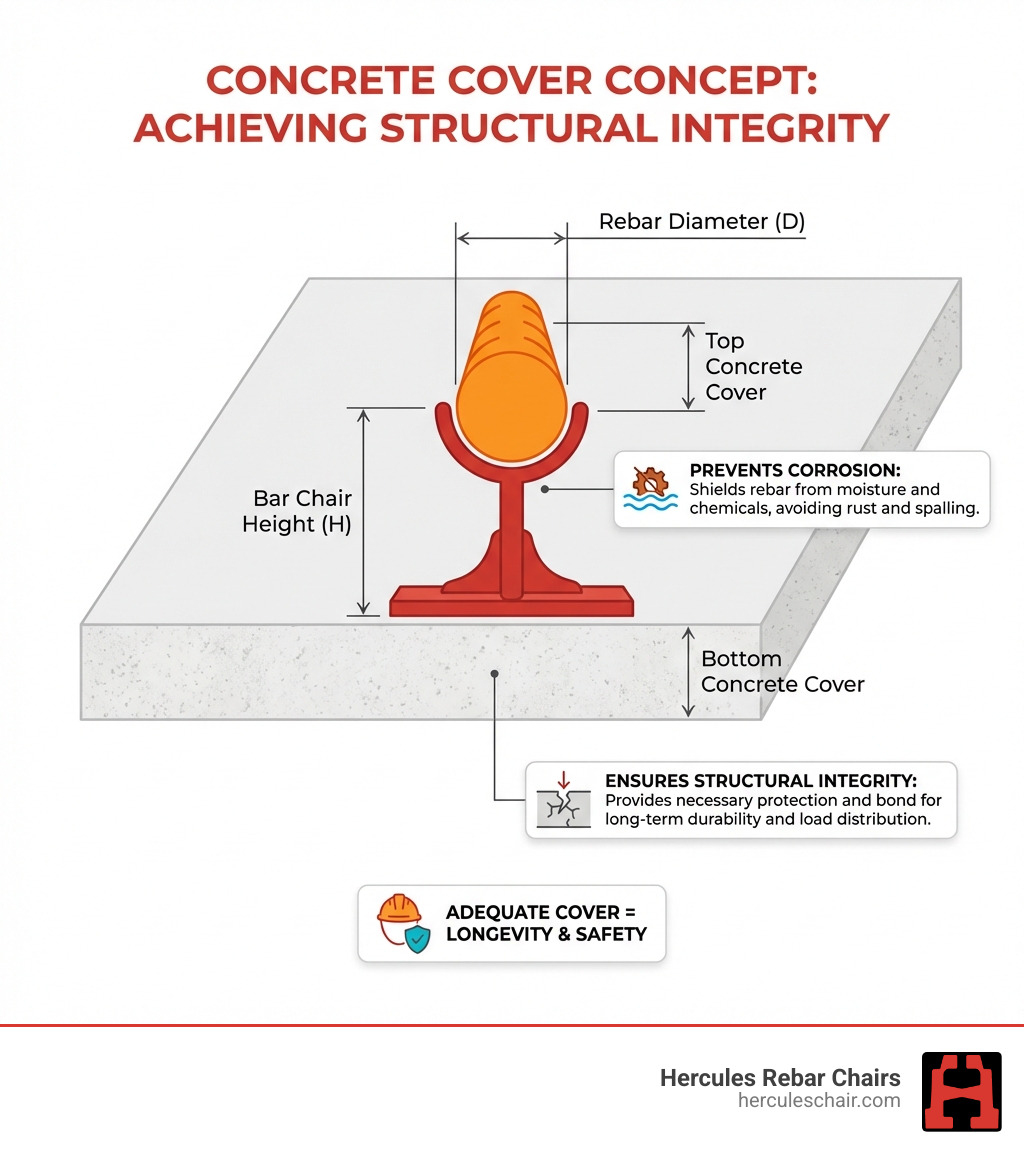
Every concrete contractor knows the sinking feeling of realizing the rebar has settled too low during a pour. Concrete cover – the distance between the rebar and the concrete surface – is your first line of defense against corrosion and environmental damage. Too little cover, and you’ll see rust stains and spalling within years. Too much, and you’re wasting concrete and potentially compromising structural performance.
The right bar chair size ensures your reinforcing steel stays exactly where your engineer specified it. According to industry research, metal bar chairs are available from 20mm to 340mm in height, while plastic options typically range from 25mm to 170mm. The key is matching the chair height to your required concrete cover, accounting for the rebar diameter and any tolerance for movement during the pour.
This guide will walk you through selecting the perfect bar chair size for your specific application – whether you’re working on a simple slab-on-ground, a suspended deck, or a heavy-duty foundation requiring double rebar mats.
A Deep Dive into Concrete Bar Chair Sizes and Types
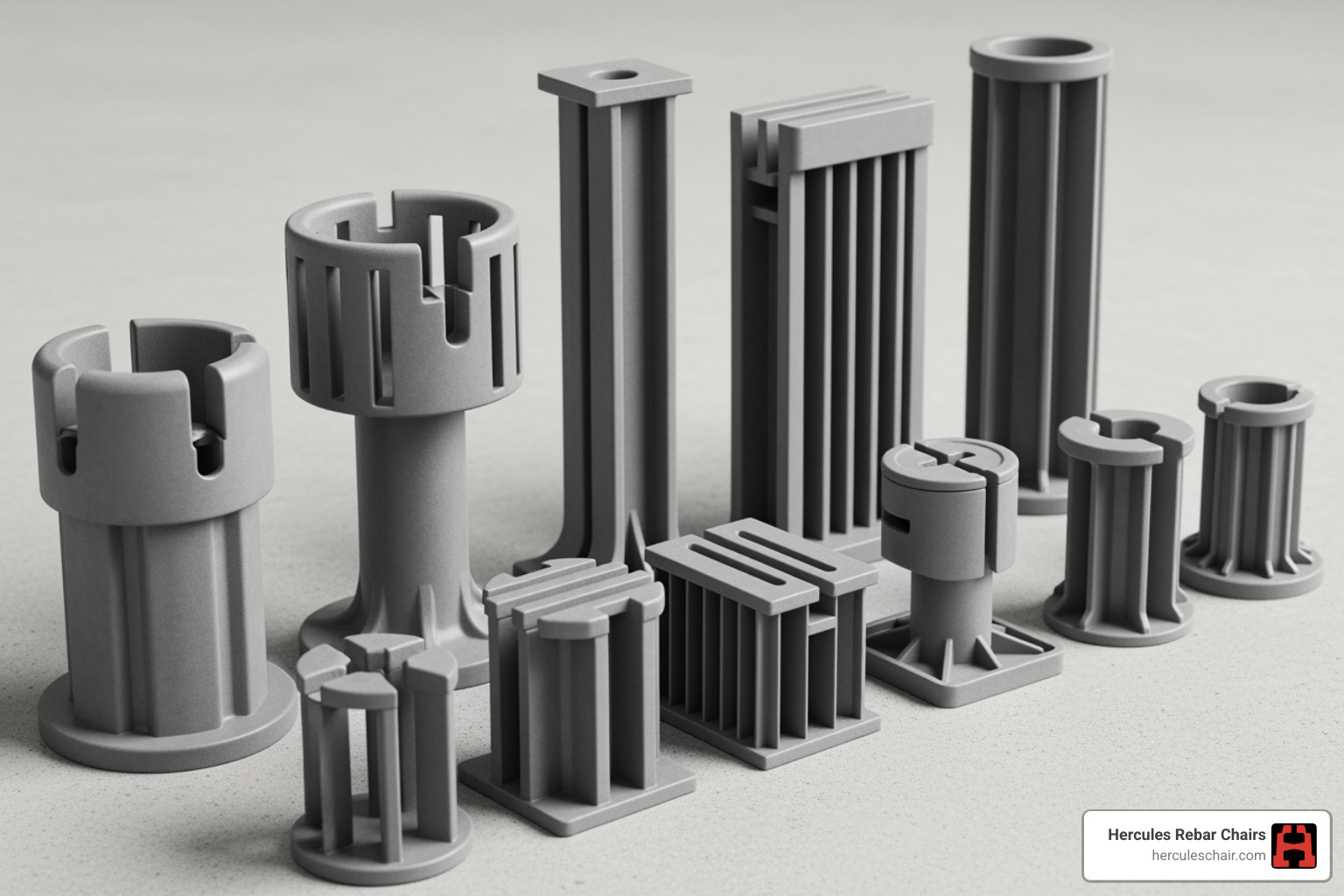
When it comes to supporting rebar, one size certainly doesn’t fit all. The world of concrete bar chair sizes and types is surprisingly diverse, each designed to meet specific needs in various construction scenarios. Understanding these differences is key to ensuring the structural integrity and longevity of your concrete projects.
Material Matters: Plastic Bar Chairs
For many applications, plastic bar chairs are a go-to choice. They are lightweight, non-corrosive, and often more cost-effective than their metal counterparts. Our plastic bar chairs are engineered for high strength and durability, ensuring they stand up to the demands of concrete placement. They are particularly favored for their integrated base designs, which help minimize the risk of puncturing the polythene film often used as a vapor barrier in slab-on-ground applications.
Plastic bar chairs are commonly available in heights ranging from 25mm up to 170mm (approximately 1 inch to 6.7 inches). Many of these chairs are made from 100% recycled material, making them an environmentally conscious choice. For more information on our range of rebar supports, including our robust plastic options, you can explore our products here.
Standard Height Ranges for Concrete Bar Chair Sizes
The “size” of a concrete bar chair primarily refers to its cover height – the distance it lifts the rebar off the formwork or sub-base, determining the concrete cover. These heights vary significantly depending on the material and intended application, and you’ll find both imperial (inches) and metric (millimeters) measurements commonly used in the industry.
In the United States, imperial measurements are prevalent. Standard bar chairs, often used for lighter rebar or mesh in slabs, typically come in heights from 3/4″ to 2″, usually in 1/4″ increments. For thicker slabs or double rebar mats, individual high chairs can range from 2″ to a substantial 15″ in height, also in 1/4″ increments, providing the necessary lift for deeper pours.
Globally, and sometimes in specific US applications, metric sizes are also common. Metal bar chairs, for instance, can span a wide range from 20mm to 340mm (approximately 0.8 inches to 13.4 inches). Plastic bar chairs, as mentioned, are usually found in the 25mm to 170mm range.
Here’s a comparison of common bar chair sizes and their typical uses:
| Bar Chair Type (Material) | Imperial Size Range | Metric Size Range | Typical Applications |
|---|---|---|---|
| Standard (Plastic/Metal) | 3/4″ – 2″ | 20mm – 50mm | Light slabs, mesh support, small footings |
| Combination (Plastic) | N/A (Dual Heights) | 25/40mm, 50/65mm, 75/90mm | Versatile slab-on-ground, polystyrene pod slabs |
| High Chairs (Plastic/Metal) | 2″ – 15″ | 50mm – 380mm | Thick slabs, bridge decks, foundations, double mats |
| Tall Combination (Plastic) | N/A (Dual Heights) | 105mm – 170mm | Heavy-duty slab-on-ground, deeper concrete cover |
| Metal Bar Chairs (General) | N/A | 20mm – 340mm | Beams, vertical walls, suspended slabs, slab-on-ground |
Understanding Combination and Specialty Chairs
Some of the most versatile options in concrete bar chair sizes are combination chairs. These ingenious supports offer dual heights within a single unit, providing flexibility and often leading to cost savings on a project. For example, a combination chair might provide either a 25mm or a 40mm cover, depending on how it’s oriented. Common dual-height combinations include 25mm & 40mm, 50mm & 65mm, and 75mm & 90mm. We also offer taller combination chairs for greater lift, such as those providing 105mm & 110mm, or 145mm & 150mm cover. Many combination chairs also feature clip-on mechanisms for improved stability, ensuring the rebar or mesh stays firmly in place.
Beyond standard and combination chairs, specialty supports are designed for unique applications. Footer stands, for instance, are specifically engineered to support rebar in continuous footings. We offer both 2 Bar Footer Stands and 3 Bar Footer Stands, designed to securely hold multiple rebar runs at the correct height. These specialized tools ensure precise placement in foundational elements, which are critical for the overall stability of a structure. You can learn more about our robust footer stands and other specialized products here.
How to Select the Perfect Bar Chair for Your Application
Choosing the right concrete bar chair size is a bit like being a master chef – you need the right tool for each ingredient and step. The goal is always to achieve the precise concrete cover specified by the engineer, ensuring the rebar functions as intended.
Matching Concrete Bar Chair Sizes to Your Project
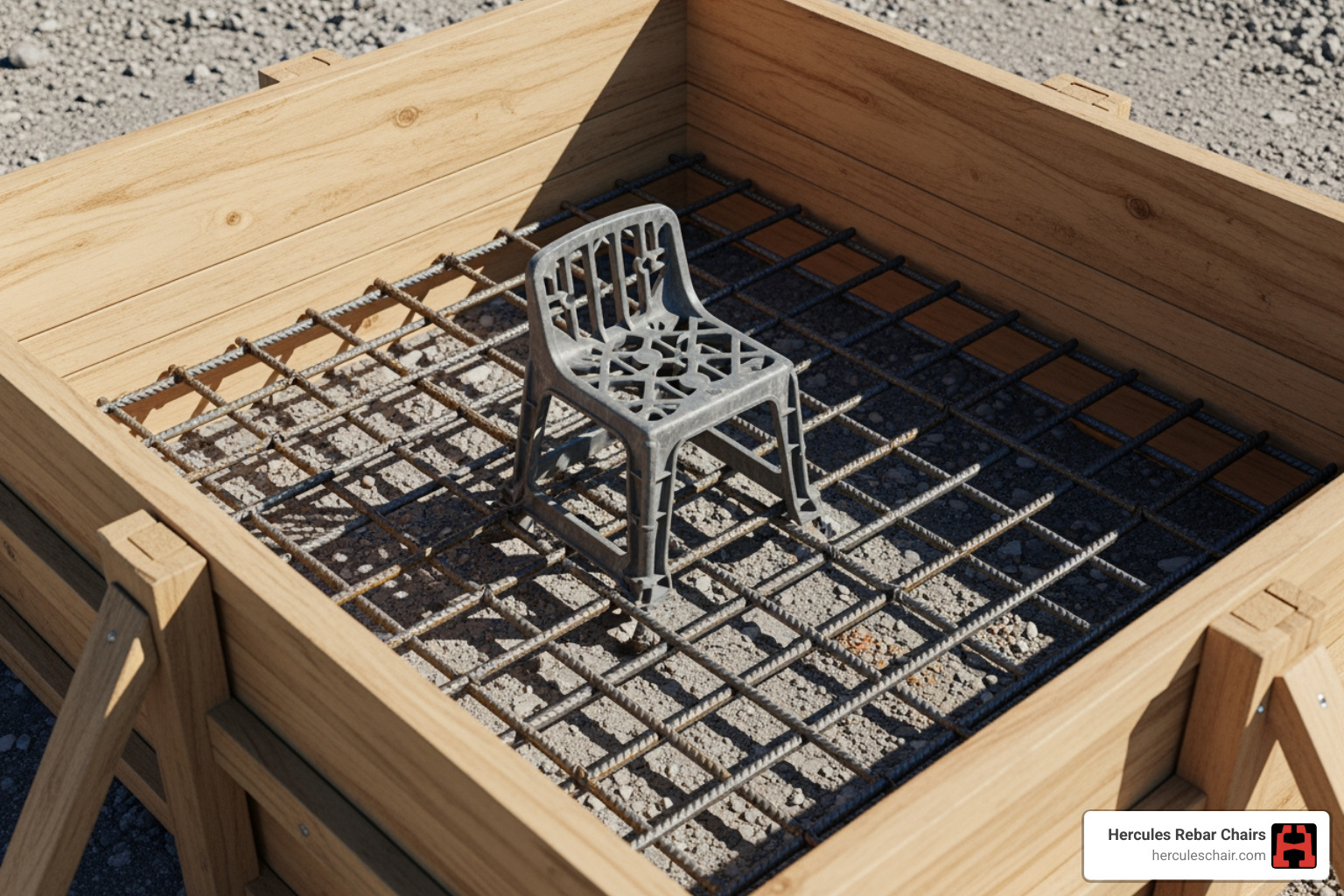
The first step in selection is understanding your project’s specific needs. Different concrete elements require different approaches:
- Slab-on-Ground: For residential or light commercial slabs, plastic bar chairs or standard metal chairs are often used. The general rule of thumb is to position reinforcing mesh in the top half of the slab to best prevent cracking. For these applications, heights from 1″ to 2.5″ (25mm to 65mm) are common.
- Suspended Slabs and Beams: These typically use metal bar chairs due to their higher load-bearing capacity and versatility in vertical applications. Sizes can range from 20mm up to 340mm (approx. 0.8″ to 13.4″) to accommodate varying slab thicknesses and rebar configurations.
- Walls: Vertical wall applications often use specialized “wheel” or “side-entry” spacers to maintain cover on both faces of the wall. Metal bar chairs can also be used here, often secured with tie wire.
- Bridge Decks, Foundations, and Thick Slabs: These heavy-duty applications demand robust support. This is where high chairs truly shine. They are designed to support heavy loads and often double rebar mats, requiring heights from 3″ to 15″. Our Rebar Placement Guide offers further insights into optimal rebar positioning for various structures.
The goal is always to achieve the specified concrete cover, which protects the rebar from corrosion and ensures the structural integrity of the concrete.
Key Features to Consider
Beyond just height, several features contribute to a bar chair’s effectiveness:
- Base Design and Stability: A wide, stable base is crucial, especially for preventing chairs from sinking into soft sub-bases or puncturing vapor barriers. Many plastic chairs, including ours, feature an integrated base designed to minimize puncture of polythene film. For on-grade applications, sand plates can be added to high chairs for even greater stability.
- Puncture Prevention: As mentioned, integrated bases are key. For metal chairs, plastic-tipped legs can offer similar benefits.
- Clip-on Mechanism: Some chairs, particularly combination plastic bar chairs, come with a clip-on function. This feature ensures the rebar or mesh is securely held, preventing unwanted movement during the pour and even when crew walk on the mesh. This added stability is invaluable.
- Load Rating: This indicates how much weight a single chair can support. While often not explicitly stated on consumer packaging, industrial-grade chairs like ours are tested to rigorous standards, with some rated for up to 120 kg (approximately 265 lbs). This is critical for supporting heavy rebar cages or double mats.
- Bar Size Capacity: Each chair is designed to accommodate a specific range of rebar diameters. For instance, some ground bar chairs are suitable for rebar from 6mm to 20mm (approx. #2 to #6 rebar), while taller combination chairs might handle bars up to 25mm (approx. #8 rebar). Steel bar chairs can often hold a wider range, from 4mm to 40mm (approx. #1 to #12 rebar). Always check the product specifications to ensure compatibility with your rebar. You can find detailed features of our rebar chairs here.
Estimating the Quantity You Need
Underestimating the number of bar chairs can lead to rebar sagging, inconsistent cover, and a compromised structure. Overestimating wastes material and time. While engineering specifications are always the ultimate authority, general guidelines can help:
- Spacing Guidelines: A common recommendation is to use one chair for every 0.6 to 1.0 square meter (approximately 6.5 to 11 square feet) of slab area.
- Mesh Weight: Heavier mesh or rebar requires closer spacing to prevent sagging. If you’re working with a particularly heavy reinforcing mat, you might need to increase the density to one chair every 0.6 square meters or even closer.
- Engineering Specifications: Always consult your project’s engineering plans. These documents will provide precise spacing requirements, which supersede any general guidelines.
To help you get it just right, we’ve developed the Hercules Rebar Chair Estimator. This tool can take the guesswork out of calculating the exact quantity needed for your specific project, saving you time and ensuring optimal support.
Advanced Considerations and Best Practices
For projects that push the boundaries of complexity or face challenging environmental conditions, a deeper understanding of bar chair selection and application becomes paramount.
High Chairs vs. Standard Chairs: When to Go Tall
High chairs are specialized supports designed for situations where standard chairs simply can’t provide enough lift or stability. The primary applications where high chairs excel include:
- Thick Slabs: For concrete slabs exceeding 6-8 inches in thickness, high chairs are essential to achieve the correct cover. Our high chairs typically range from 3″ to 14″ in height, with some individual high chairs available up to 15″.
- Double Rebar Mats: When a slab requires two layers of reinforcing steel (a top mat and a bottom mat), high chairs are used to support the upper mat, often straddling the lower one. This ensures precise separation and cover for both layers.
- Heavy Loads: Applications like bridge decks, parking structures, and foundations bear immense weight. High chairs are designed with a wide, stable base and robust construction to support these heavy loads without collapsing or shifting.
- Dual Cover Heights: Many of our high chairs offer dual cover heights for sizes from 3″ to 10 1/4″, providing flexibility. Above 10 1/4″, they typically have a single cover height per chair.
- Innovative Design: Features like our ‘Z’ top design on high chairs offer maximum strength and make it easier to tie rebar, facilitating better concrete flow and consolidation.
You can explore our full range of products, including our high chairs, on our Our Products page.
Environmental Factors and Material Choice
The environment in which your concrete structure is built plays a significant role in selecting the appropriate bar chair material.
- Coastal Areas and Salinity: If you’re working near coastlines or in environments with high salinity, corrosion is a major concern. Metal bar chairs, even plastic-tipped wire ones, are generally not recommended in these conditions due to the risk of rust bleeding through the concrete (rust staining) or compromising the rebar’s integrity over time. In such cases, all-plastic bar chairs are superior as they are non-corrosive. Alternatively, galvanized steel or stainless steel bar chairs can be used if metal is required, offering excellent corrosion resistance.
- Exposure to Elements: For structures exposed to harsh weather or chemical agents, the durability of the chair material is paramount. Plastic chairs, especially those made from high-quality polymers, can withstand various environmental stresses without degrading.
- Protection for Rebar: Regardless of the environment, the primary purpose of the bar chair is to ensure adequate concrete cover, which itself is the rebar’s best defense against environmental elements and corrosion.
Understanding Industry Standards and Compliance
Adhering to industry standards is non-negotiable for any construction project. These standards, such as those published by the American Concrete Institute (ACI), ensure product quality, performance, and ultimately, the safety and longevity of your structures. While the specific standards may vary slightly by region (e.g., AS/NZS 2425 is a prominent standard in Australia/New Zealand), the principles of quality assurance and testing are universal.
Such standards typically cover:
- Product Requirements: Defining the physical properties and material specifications for bar chairs.
- Test Methods: Establishing rigorous procedures for testing load ratings, durability, and other performance metrics. For example, some chairs are tested to withstand a load rating of 120 kg (approx. 265 lbs), ensuring they can support reinforcing steel without deformation.
- Code Compliance: Using bar chairs that meet relevant building codes is crucial. Our company, Hercules Rebar Chairs, is committed to ensuring code compliance with all our products, giving you peace of mind. Our distinct red chairs are not just a brand identifier; they are a mark of quality and reliability, trusted by contractors across the USA, from Alabama to Wyoming. We’ve sold over 14 million units, a testament to our dedication to saving you time and money while ensuring your projects stand strong.
Frequently Asked Questions about Bar Chair Sizing
Even with all the detailed information, a few common questions often arise when selecting and using concrete bar chairs. Let’s tackle them.
What happens if I use the wrong size bar chair?
Using the wrong concrete bar chair size can have serious consequences, ranging from aesthetic issues to structural failures:
- Inadequate Concrete Cover: This is the most common problem. If the chair is too short, the rebar will sit too close to the surface, reducing the protective concrete cover.
- Rebar Exposure and Corrosion: With insufficient cover, moisture, oxygen, and corrosive agents can reach the rebar, leading to rust. This rust expands, causing the concrete to crack and spall (break away), further exposing the rebar and accelerating the corrosion cycle. You’ll often see tell-tale rust stains on the concrete surface.
- Reduced Structural Capacity: Reinforcing steel works best when fully encapsulated by concrete. If the rebar is not properly placed, the composite action of the reinforced concrete is compromised, potentially reducing the structure’s load-bearing capacity and overall strength.
- Wasted Material and Rework: If the rebar placement is significantly off, it could lead to rejection of the concrete pour, requiring costly demolition and rework.
Getting the size wrong undermines the very purpose of reinforced concrete: to create a strong, durable, and long-lasting structure.
How do I know what size rebar a chair can hold?
The capacity of a bar chair to hold different rebar sizes depends on its design and the specific product. Here’s what to look for:
- Product Specifications: Always refer to the manufacturer’s product data sheet or packaging. This will clearly state the compatible rebar diameters.
- Clip Design: Many plastic and wire bar chairs feature a clip or cradle designed to snugly fit specific rebar sizes. Some are versatile enough to accommodate a small range, while others are more precise.
- Bar Size Range: For example, some ground bar chairs are suitable for rebar from 6mm to 20mm (approx. #2 to #6 rebar). Taller combination chairs might handle slightly larger bars, up to 25mm (approx. #8 rebar). General-purpose steel bar chairs can often hold a very wide range, from 4mm to 40mm (approx. #1 to #12 rebar), depending on their wire diameter and specific configuration.
If you’re ever unsure, it’s best to consult the supplier or the product’s technical documentation to ensure a perfect fit.
Can I reuse concrete bar chairs?
While it might seem like a cost-saving measure, concrete bar chairs are generally designed for single use. Here’s why we strongly advise against reusing them:
- Single-Use Design: Once a bar chair is subjected to the weight of rebar, the forces of a concrete pour, and the curing process, it can undergo stress, deformation, or even hairline fractures that are not visible to the naked eye.
- Risk of Damage: During removal from a cured slab (if even possible without damaging the concrete), chairs can be further compromised. A damaged chair cannot guarantee the precise cover needed for the next project.
- Compromised Stability: A previously used chair may not provide the same stability or load-bearing capacity as a new one, leading to rebar displacement during subsequent pours.
- Cost-Effectiveness of New Chairs: The cost of new bar chairs is typically very low compared to the overall cost of a concrete project. The potential risks and costs associated with rebar corrosion or structural failure from using a compromised chair far outweigh any perceived savings from reusing them.
For optimal performance, peace of mind, and structural integrity, always use new, high-quality bar chairs for every pour.
Conclusion: Build with Confidence and Precision
Choosing the correct concrete bar chair sizes is more than just a minor detail; it’s a fundamental step that underpins the quality, durability, and safety of any reinforced concrete structure. We’ve explored the diverse types, sizes, materials, and features available, highlighting how each plays a critical role in achieving the precise concrete cover essential for protecting rebar from corrosion and ensuring structural integrity.
The right size equals correct cover, and precision is key to your project’s longevity. By carefully considering your application, understanding material properties, and adhering to best practices, you can build with confidence. For reliable, code-compliant rebar supports that save you time and money, choose Hercules Rebar Chairs – America’s #1 choice for superior concrete construction.
Ready to secure your rebar with confidence? Explore our range and make the smart choice for your next project. Buy Hercules Rebar Chairs today.