

Why Finding the Right 3/4 Inch Rebar Matters for Your Next Pour
3 4 rebar for sale is a key search for contractors needing reliable reinforcement for foundations, retaining walls, and heavy-duty structural work. Also known as #6 rebar, this 3/4-inch diameter steel bar is a construction workhorse, balancing strength and cost for medium to large projects.
Quick Reference: Where to Buy #6 Rebar
| Source Type | Typical Price Range | Best For |
|---|---|---|
| Big Box Stores (Home Depot, Lowe’s) | $26.95 per 20′ piece | Small quantities, immediate pickup |
| Steel Suppliers | $19.88+ per 20′ piece | Better pricing, custom lengths |
| Redi-Mix Plants | Varies (often 50% less than retail) | Bulk orders, contractor pricing |
| Concrete Supply Companies | Competitive rates | Cutting services, delivery included |
The challenge isn’t just finding 3/4 rebar, but finding it at a fair price, in correct lengths, from reliable suppliers. One forum user summed it up perfectly: “Home Depot and Lowes seem so expensive” when compared to specialized steel suppliers who often charge half the price.
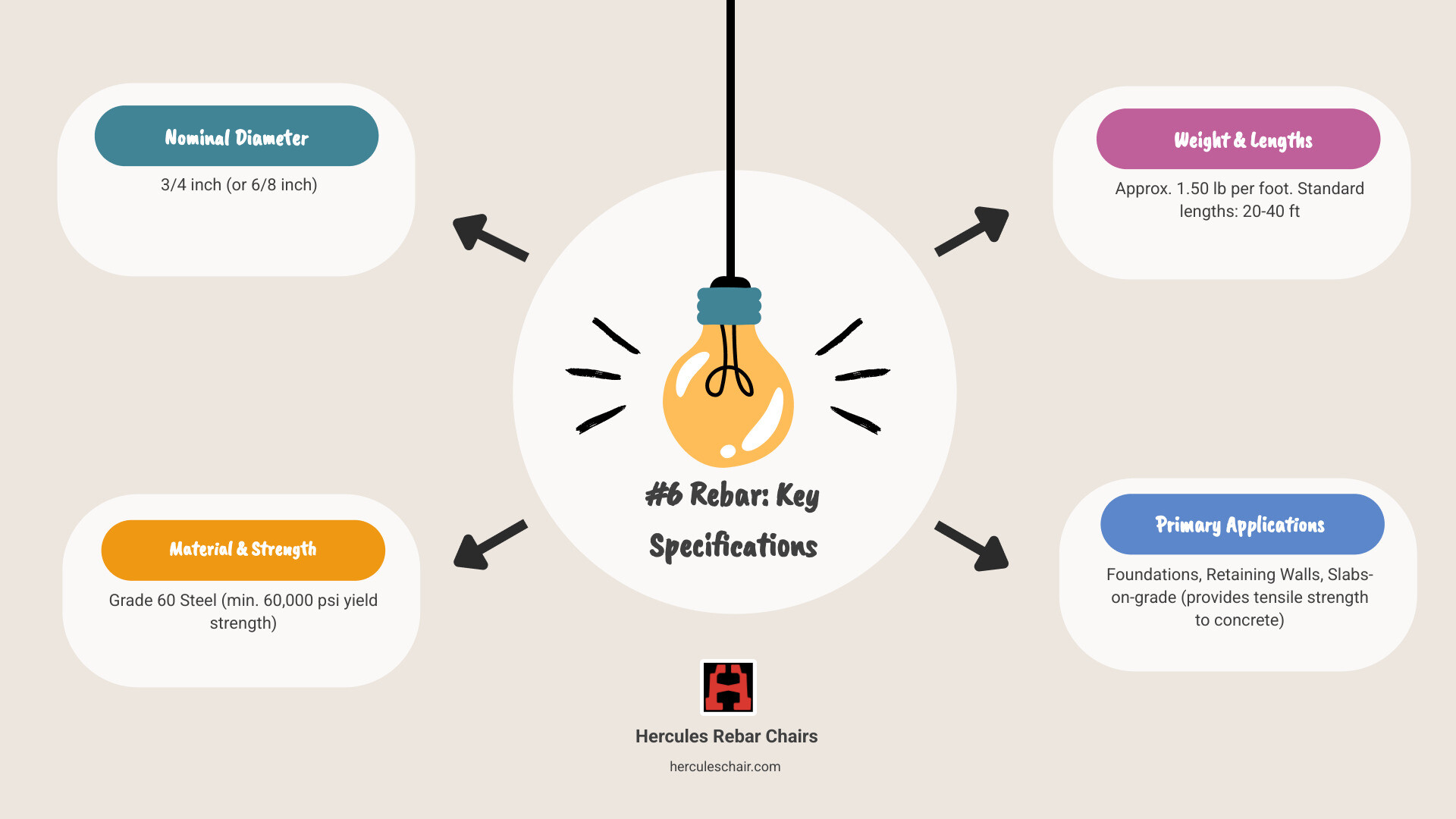
Grade 60 rebar, the most common type, has a 60,000 psi minimum yield strength and weighs about 1.50 pounds per foot. Standard lengths are 20, 30, or 40 feet, and many suppliers will cut to size.
But here’s what many contractors overlook: buying the right rebar is only half the battle. Proper placement and support during the pour is what prevents expensive callbacks and ensures your concrete meets code.
Decoding #6 Rebar: Specifications and Standards
#6 rebar is a reinforcing steel bar with a 3/4-inch nominal diameter. The #6 signifies 6/8ths of an inch, a standard US sizing system. It’s a critical tension device in concrete, helping it resist tensile forces where it’s naturally weak.
The most common US specification is ASTM A615, which guarantees mechanical properties like yield and tensile strength for a reliable product. Grade 60 rebar, a durable construction essential, has a minimum yield strength of 60,000 pounds per square inch (psi), making it incredibly strong for many structural applications.
When sourcing 3 4 rebar for sale, you’ll find it in 20, 30, and 40-foot lengths. A 3/4-inch (#6) A615 Grade 60 rebar weighs about 1.50 pounds per foot, so a 20-foot bar is around 30 pounds. Its raised ribs (deformations) are crucial for bonding with concrete, allowing the materials to work together to distribute stress.
What are the different grades of rebar?
Understanding rebar grades is key to choosing the right material. The grade indicates minimum yield strength—the stress it can take before deforming. Grade 40 and Grade 60 are the most common.
Grade 40 Rebar: Has a minimum yield strength of 40,000 psi (40ksi). It’s suitable for lighter applications like sidewalks, driveways, or some residential foundations where extreme strength isn’t needed.
Grade 60 Rebar: The industry workhorse, with a minimum yield strength of 60,000 psi (60ksi) and tensile strength of 90ksi. Its superior strength makes it ideal for heavy-duty applications like commercial buildings, bridges, and robust residential structures, providing a high level of safety and durability.
Choosing a grade depends on project demands, building codes, and engineering specs. For most substantial work, Grade 60 is preferred for its excellent strength-to-cost ratio and availability.
Understanding ASTM Rebar Standards
ASTM International sets global standards. For rebar, ASTM A615 is paramount for carbon-steel bars used in concrete reinforcement. Adhering to this standard ensures the rebar meets strict quality control for its chemical and mechanical properties.
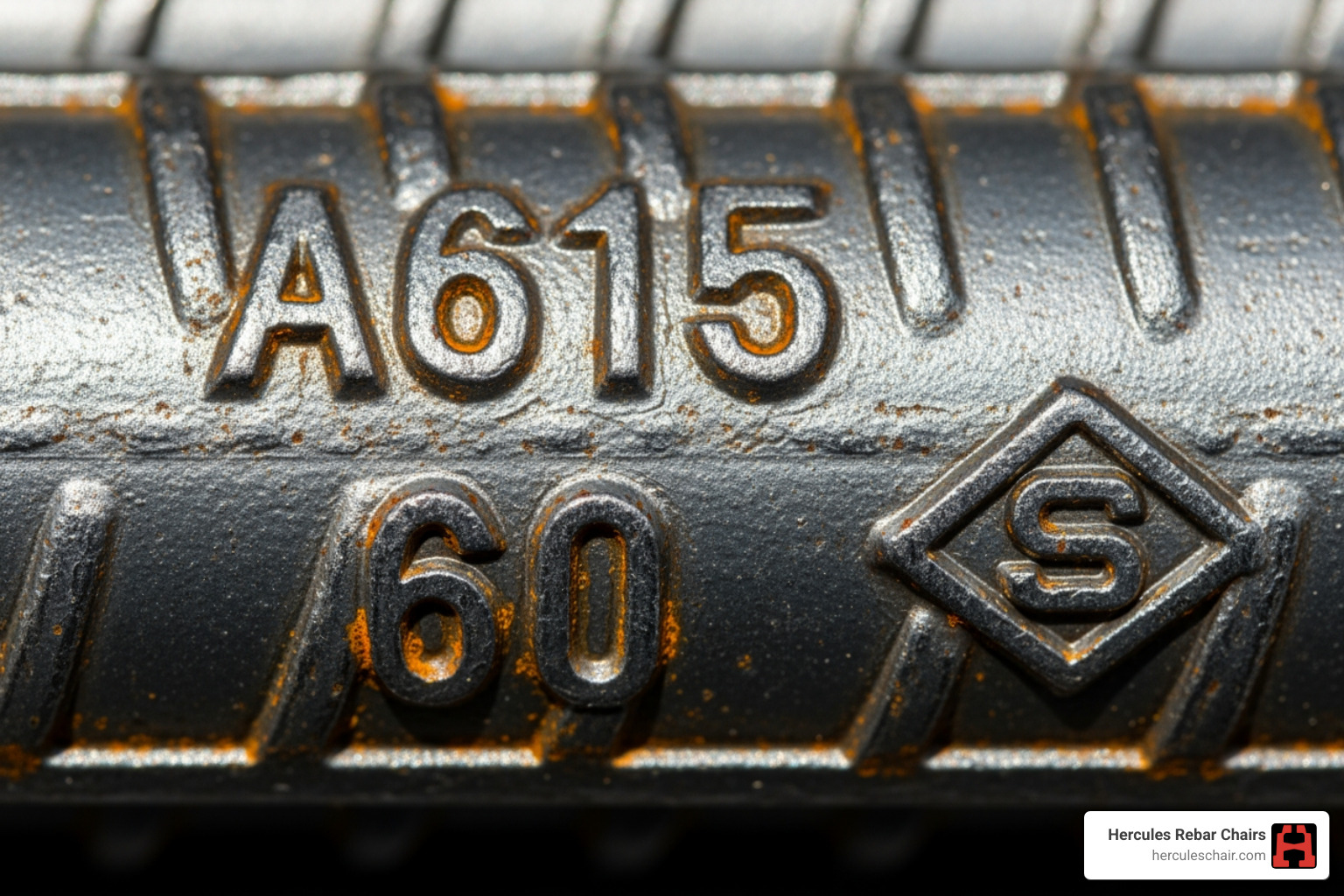
Rebar markings indicate the mill, bar size, and grade (e.g., “S” for carbon steel, a number for size, and “60” for Grade 60), which is crucial for quality assurance. Products advertised as “100% USA Quality Steel” further assure high manufacturing standards.
Specifying ASTM A615 rebar ensures projects comply with building codes, providing necessary strength and safety. This commitment to quality is essential for the longevity of any concrete structure. For more in-depth technical details on rebar specifications and how they relate to our products, we encourage you to review our Data Sheet.
Where to Find the Best Deals on 3 4 Rebar for Sale
Finding 3 4 rebar for sale at a competitive price can significantly impact your project budget. Understanding each supplier type is key to making the best purchase.
Big Box Stores: Retailers like Home Depot and Lowe’s are convenient for small, immediate needs. They stock standard lengths but are often expensive, with a 20-foot #6 bar costing around $26.95. They rarely offer cutting services or volume discounts.
Specialized Steel Suppliers: Often the go-to for contractors, companies like lassteelworks.com offer #6 (3/4)” Rebar – ASTM Grade 60 for around $19.88 USD per 20-foot piece, much less than big box stores. They provide more lengths (20ft, 30ft, 40ft), cutting services, volume pricing, and expert advice.
Redi-Mix Plants and Concrete Supply Companies: These are surprisingly good sources, especially if you’re buying concrete. They can be much cheaper than retail, sometimes “half the price of box stores.” They cater to contractors and may offer cutting and delivery with a larger order.
Local Small-Town Steel Dealers: Don’t overlook smaller, local suppliers. They often have competitive pricing and build strong relationships with contractors, sometimes offering free cuts to size.
When buying 3 4 rebar for sale, always ask about volume and contractor discounts, as negotiation can lead to substantial savings.
Comparing Your Purchase Options for 3 4 rebar for sale
When looking for 3 4 rebar for sale, here’s a comparison of your options:
| Feature | Big Box Stores (e.g., Home Depot, Lowe’s) | Specialized Steel Suppliers (e.g., Metals Depot, LA Steelworks) | Redi-Mix Plants / Concrete Supply Companies |
|---|---|---|---|
| Price (per 20′ #6 bar) | ~$26.95 USD | ~$19.88 – $26.95 USD (often better volume pricing) | Varies, potentially significantly lower than retail |
| Availability | Readily available for small quantities, standard lengths | Wide range of lengths, good stock for various grades | May require pre-order, often tied to concrete orders |
| Cutting Services | Generally not offered | Often available, sometimes for a fee, or free for regulars | May offer cutting as part of a larger order |
| Delivery | Limited local delivery, often with fees | Local and LTL shipping, industry-low rates, 1-3 day transit | Local delivery, often bundled with concrete |
| Volume Pricing | Rare | Common, competitive for bulk orders | Often available for contractors |
| Expertise | Basic product information | Highly knowledgeable staff, technical support | Focus on concrete, but knowledgeable about rebar |
Rebar is sold in several ways:
- Per piece: Common at big box stores.
- Per foot: Used for custom cuts.
- Per ton: The most common and cost-effective method for large-volume purchases. A ton of #6 rebar contains about 68 20-foot bars, making bulk buying efficient.
For more information on the various products that complement your rebar purchase, we invite you to explore More info about our products.
Shipping and Delivery Logistics
Once you’ve found your 3 4 rebar for sale, you need to get it to your job site. Several options exist, depending on the supplier and quantity.
- Online Purchasing: Many suppliers offer online ordering, letting you browse prices and availability from your office.
- In-Store Pickup: A common option for smaller quantities if you have transport. It saves on delivery costs and is often free, with same-day pickup sometimes available.
- Local Delivery: Most suppliers offer local delivery with specialized trucks. Some have low rates and quick transit times (1-3 days). Options can range from customer-unload to curbside delivery.
- LTL Shipping Rates: For larger orders not qualifying for local delivery, Less-Than-Truckload (LTL) shipping is an option. Request LTL rates from suppliers when buying significant amounts of 3 4 rebar for sale.
Always factor transit times and delivery schedules into your project plan. Proper planning ensures your rebar arrives on time, keeping your project on track. For additional guidance on project planning, you might find useful resources at Get tips on project planning.
Common Applications and Benefits of 3/4″ Rebar
3 4 rebar for sale is not just a commodity; it’s a fundamental element that underpins the strength and stability of countless concrete structures. Its robust nature makes it indispensable for applications where significant load-bearing capacity and long-term durability are paramount.
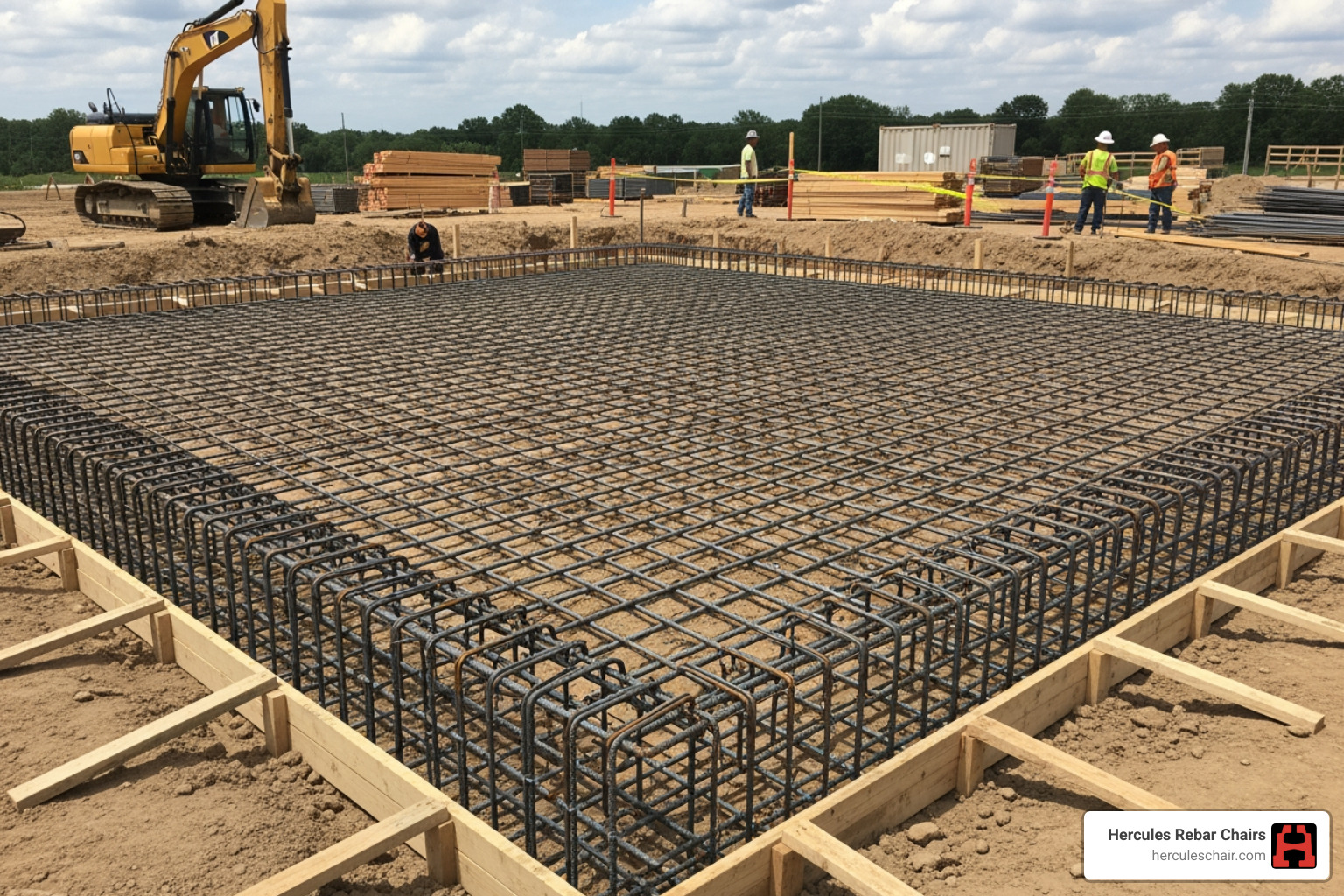
We commonly see #6 rebar specified for:
- Concrete Foundations: For residential or commercial buildings, #6 rebar provides the tensile strength to resist cracking and settlement.
- Retaining Walls: It reinforces concrete to withstand immense lateral pressures from earth.
- Slabs-on-Grade: For heavy-duty industrial or garage floors, it helps distribute loads and prevents thermal cracking.
- Columns and Beams: In multi-story construction, it provides the strength to support upper floors and roof loads.
- Heavy-Duty Construction: A go-to choice for bridge decks, culverts, and infrastructure projects in demanding environments.
Why Choose #6 Rebar for Your Project?
Choosing #6 rebar is driven by its advantages and critical role in structural integrity:
- High Tensile Strength: Concrete is strong in compression but weak in tension. #6 rebar, especially Grade 60, adds crucial tensile strength, allowing concrete to withstand bending and pulling forces without failing.
- Durability and Longevity: High-strength Grade 60 rebar is designed for lasting performance. It helps concrete absorb stress and distribute tension from expansion and contraction, extending the structure’s life.
- Superior Concrete Adhesion: The rebar’s surface has “raised ribs” or deformations. These promote a “better bond with the concrete,” creating a mechanical interlock that ensures the rebar and concrete act as a single composite material.
- Cost-Effectiveness for Strength: #6 rebar offers an optimal balance between cost and strength for medium to heavy-duty applications, allowing for robust construction without over-engineering.
Choosing #6 rebar is an investment in long-term stability and safety. To ensure correct installation, a proper Rebar Placement Guide is essential.
A Practical Guide to Handling and Installing Rebar
Working with heavy rebar like 3 4 rebar for sale requires careful safety and proper techniques for handling and preparation.
Safety First!
Safety is the top priority. Rebar is heavy, can have sharp edges, and may spring back when cut or bent. Always wear:
- Safety Gloves: Heavy-duty work gloves to protect hands.
- Eye Protection: Safety glasses or goggles to shield eyes from debris.
- Hard Hats: Crucial in active construction zones.
- Steel-Toe Boots: Protect feet from falling rebar.
When handling long #6 rebar, use proper lifting techniques, work with a partner, or use mechanical assistance to prevent injury.
Cutting and Bending Techniques
Standard lengths of 3 4 rebar for sale often need cutting and bending for specific project needs:
Cutting Methods:
- Angle Grinder: A common tool that produces sparks and requires a steady hand.
- Rebar Cutter: Manual or hydraulic cutters provide quicker, cleaner cuts with minimal sparks.
- Shears: Powered shears offer the fastest, most precise cuts for larger operations.
Bending Techniques:
- Manual Rebar Bender: Can be used for smaller diameter rebar or simple bends.
- Hydraulic Rebar Bender: The most efficient and safest option for #6 rebar and complex bends.
- Never heat rebar to bend it. Heating alters the steel’s properties and compromises its strength.
Always consult engineering plans and building codes for cutting and bending requirements, as improper work can weaken the structure.
Proper Placement and Support for 3 4 rebar for sale
Even the best 3 4 rebar for sale is ineffective if not placed correctly. Proper rebar support and concrete cover are critical.
- Concrete Cover: Rebar must be fully encased in concrete for protection from corrosion and for stress transfer. Required cover varies by structure and code (e.g., 1.5 inches for slabs, 3 inches for concrete against earth). Insufficient cover leads to rust and cracking, compromising the structure.
- Maintaining Position: Rebar grids must hold their exact position during the pour. Rebar can be easily displaced, which is where high-quality rebar chairs and supports are essential.
- Hercules Rebar Chairs: We are America’s #1 choice for rebar chairs, with over 14 million units sold. Our distinctive red chairs ensure your rebar stays precisely where intended, providing correct concrete cover and preventing rust. They save time and money by making placement quick and accurate, ensuring code compliance. For footings, our 3 Bar Footer Stand and comprehensive Footer Stand Placement Guide offer reliable solutions. Using reliable supports means you can pour with confidence, knowing your concrete will achieve its designed strength.
Frequently Asked Questions About 3/4″ Rebar
Here are common questions we receive about 3 4 rebar for sale and its applications:
What is the difference between #5 (5/8″) and #6 (3/4″) rebar?
The primary difference is their diameter, which affects their weight and strength.
- Diameter: #5 rebar is 5/8 inch, while #6 rebar is 3/4 inch.
- Weight Difference: #6 rebar is roughly 44% heavier per foot than #5 rebar (1.50 lbs/ft vs. 1.043 lbs/ft).
- Strength Comparison: With its larger cross-sectional area, #6 rebar offers greater tensile strength and stiffness than #5 rebar of the same grade.
- Typical Use Cases: #5 rebar is for lighter-duty applications (residential slabs, sidewalks). #6 rebar is for more demanding structures (large foundations, retaining walls, columns) with significant loads. The choice depends on engineering requirements.
Can you weld Grade 60 rebar?
Welding Grade 60 rebar is possible but not recommended without expert consultation due to important considerations.
- Weldability: The high carbon content in some Grade 60 rebar can make it brittle and prone to cracking when welded without proper pre-heating or post-heating.
- ASTM A706 Standard: For projects requiring welding, specify ASTM A706 rebar. It’s a low-alloy steel made with a chemical composition that improves weldability without compromising strength.
- Pre-heating: If welding standard Grade 60 (A615) rebar, pre-heating is often necessary to reduce cracking risk.
- Consult a Professional: Always consult a certified welder and an engineer before welding Grade 60 rebar. Improper welding can severely weaken the rebar and compromise the structure.
How much #6 rebar do I need for my project?
Determining the quantity of #6 rebar needed is a critical planning step that depends on several factors:
- Engineering Plans: The most accurate method is consulting your project’s engineering plans, which specify rebar size, grade, spacing, and length.
- Local Building Codes: Cross-reference plans with local codes, which provide minimum requirements for safety.
- Project Scope: The project’s type and scale dictate rebar requirements.
- Waste and Overlap: Account for waste from cuts and overlap for splices. Order a little extra to be safe.
- Online Calculators: These can provide rough estimates but are not a substitute for professional engineering plans for precise, code-compliant calculations.
For assistance in estimating the number of rebar chairs you’ll need to support your 3 4 rebar for sale and other sizes, our Hercules Rebar Chair Estimator is a valuable tool.
Conclusion: Build Stronger with the Right Rebar and Supports
Finding the right 3 4 rebar for sale is a crucial first step for any robust concrete project. We’ve seen how #6 Grade 60 rebar is a versatile, durable choice for foundations and retaining walls due to its high tensile strength and adherence to ASTM A615 standards.
While big box stores are convenient, specialized steel suppliers and redi-mix plants often offer better pricing and services for volume purchases. Proper planning for shipping, handling, and safety is just as important as the rebar itself.
Your structure’s longevity depends on both rebar quality and its correct placement. Using reliable supports, like our distinctive red Hercules Rebar Chairs, ensures every piece of 3 4 rebar for sale performs its role, providing necessary concrete cover and preventing corrosion.
Make smart choices from procurement to pour. Choose the right rebar, support it correctly, and build structures that stand the test of time. Ready to secure your rebar in place with America’s #1 rebar chairs? Buy Rebar Chairs today and ensure your next concrete project is built to last.